Finding After-School Activities in a New Area
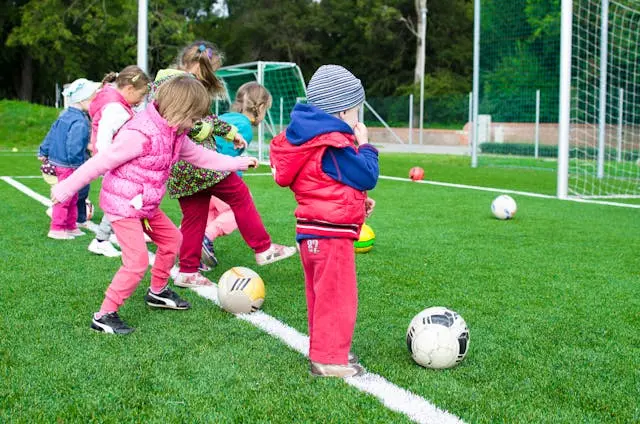
Moving to a new area presents many challenges, especially for families with children. One critical challenge is finding after-school activities that suit your child’s interests and needs. These activities provide structure and help children develop social connections and explore new surroundings. Whether you’ve relocated domestically or internationally, discovering the right extracurricular programs can be rewarding for the whole family.
Adapting to Life in Europe Through After-School Activities
Relocating to Europe can bring exciting opportunities, but it can also feel overwhelming as you and your family navigate a new culture and lifestyle. One effective way to ease the transition is by encouraging your children to participate in local after-school programs. These activities provide a structured environment for socializing and an engaging way for your family to embrace the adventure of living in a new country.
These programs are more than extracurricular activities—they’re gateways to understanding local customs and traditions. They also offer an excellent avenue to adjust to life in Europe by helping children build friendships and immerse themselves in the community. For instance, if you’ve relocated to Austria, enrolling your child in a music school could be a fantastic way to connect with the country’s rich musical heritage. Likewise, team sports, language clubs, or creative workshops can help your child feel more at home while simultaneously developing valuable skills.
By seeing every aspect of living in a new country as an opportunity to learn and adapt, after-school programs become a cornerstone of your family’s journey to thriving in Europe.
Finding After-School Activities: Researching Local Options for Extracurriculars
Research is essential to finding the best after-school programs when settling into a new area. Start by visiting your child’s school to ask about available activities. Most schools offer various extracurriculars, from academic clubs to athletic teams. Schools can also recommend community-based programs.
Another useful resource is the local community center. Many community centers host classes, workshops, and sports leagues for different age groups. Also, remember to use online platforms, such as local forums and social media groups, where parents often share their experiences and suggestions for finding after-school activities in the area.
Balancing Activities with Family Life
It’s easy to feel overwhelmed by the many options available, but finding the right balance is crucial. While after-school activities can enrich your child’s life and reduce screen time, overloading their schedule may lead to stress and burnout. Sit down as a family and create a plan that prioritizes your child’s interests while leaving room for relaxation and family time.
To start, focus on one or two activities. If your child is passionate about sports, let them join a soccer or basketball team. If they are artistically inclined, look into local art classes or theater groups. Giving them space to explore their passions helps ensure a positive experience without overcommitting.
Encouraging Social Connections Through Activities
Extracurricular programs are one of the best ways for children to make new friends in a new area. Team sports, in particular, foster teamwork and camaraderie, while clubs and workshops encourage collaboration and creativity. These interactions can be especially helpful for children who are shy or struggling to adjust to a new school.
As a parent, you can help your child establish social connections. Attend their games, performances, or showcases to show your support. Engaging with other parents will also allow you to expand your social circle, making it easier for the entire family to feel at home.
Exploring Unique Opportunities in Your New Community
Every community has its unique offerings when it comes to after-school programs. Take advantage of these opportunities to help your child explore activities they may not have tried before. For example, if you’ve moved to a coastal town, consider enrolling your child in a sailing or marine biology club. Programs like robotics workshops or cultural heritage clubs may be readily available in urban areas.
These unique activities allow children to develop new skills and deepen their connection to their new environment. Encouraging this exploration can lead to lifelong hobbies and a greater appreciation of the local culture.
The Role of Parents in Supporting After-School Activities
Parents play a crucial role in ensuring their children have a positive experience at after-school activities. Start by actively listening to your child’s preferences and goals when choosing programs. Let their interests guide your decisions rather than imposing your preferences.
Additionally, staying involved in their activities can have a significant impact. Volunteer as a coach, chaperone field trips, or simply offer transportation to and from events. Your involvement strengthens your bond with your child and helps you become part of the community.
Benefits of Extracurriculars for Family Integration
Beyond benefiting children, after-school activities can help families integrate into their new community. When parents connect with other families through sports teams or school events, they create a support network. This network can be invaluable for learning about the area, from the best local doctors to hidden gems for family outings.
Moreover, participating in community events related to your child’s extracurriculars can deepen your sense of belonging. Whether you attend a recital or cheer on the sidelines at a soccer match, these shared experiences contribute to your family’s adjustment and happiness.
Tips for Getting Your Child Excited About New Activities
Transitioning to a new area can be tough on kids, but involving them in choosing after-school activities can make it more exciting. Start by discussing their interests and goals. Whether they love sports, arts, or science, aligning activities with their passions helps them feel enthusiastic and motivated.
If your child seems unsure, encourage them to try something new. To ease their hesitations, highlight the benefits, such as making friends or learning fun skills. Visiting the activity location together can also spark their curiosity and reduce their anxiety about starting.
Celebrating their efforts and accomplishments, no matter how small, is important. Positive reinforcement builds their confidence and encourages them to continue participating. By framing after-school activities as an exciting opportunity rather than an obligation, you’ll help your child approach the experience positively.
Conclusion
Relocating to a new area is a significant change for any family, but also presents growth opportunities. By finding after-school activities that engage your child’s interests and foster connections, you can help them adjust more quickly and confidently. These programs support children’s development and create meaningful experiences for the entire family.
Embrace the chance to explore what your new community has to offer. Whether it’s a sports team, a language club, or a creative workshop, the right activities can make a lasting positive impact. Finding after-school activities can be the key to creating a fulfilling and enjoyable transition for your family.