
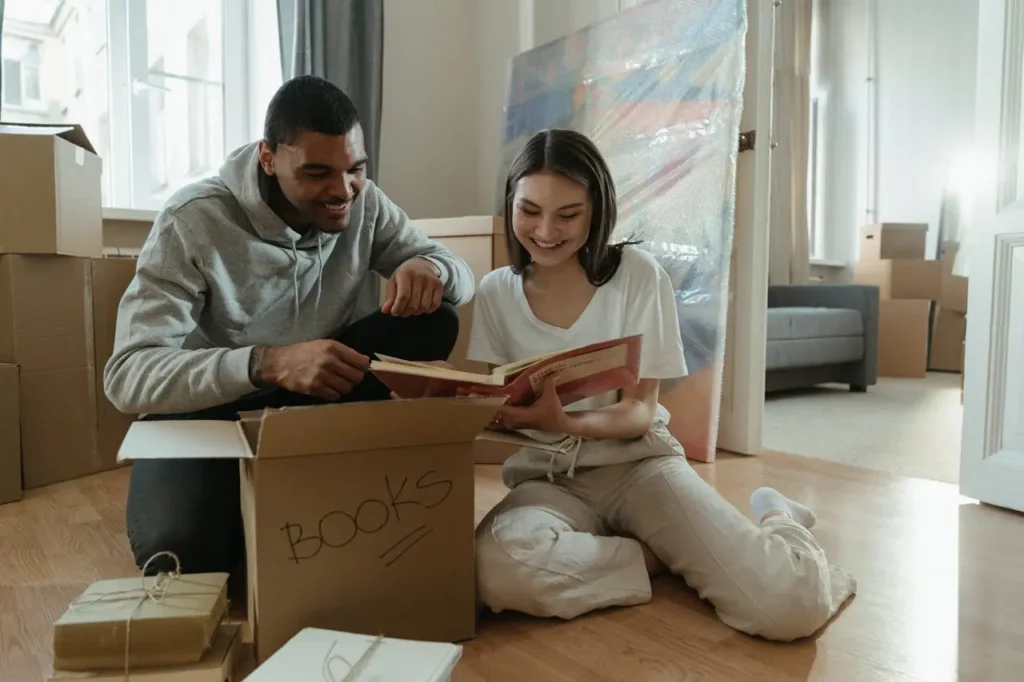
Organizing Family Photos During a Relocation
Relocation is often a time of significant change, requiring careful planning and organization. One aspect often overlooked is organizing family photos during a relocation. Photos hold sentimental value, and preserving them properly ensures these memories remain intact throughout the moving process. It will also make the relocation process easier for your kids because of how moving affects kids. This guide provides practical steps to help you organize, protect, and preserve your family photos, whether physical prints or digital files.
Start With Sorting and Categorizing
Begin by gathering all your family photos in one place. If they are scattered across multiple locations, take time to collect them. Categorize them into groups, such as by year, event, or family member. For physical photos, use small boxes or envelopes to separate categories. Create folders for digital ones on your computer or external drive labeled by category. This initial step provides clarity and ensures nothing is left behind.
Moving on Short Notice
If you are moving on short notice, organizing family photos can be challenging. Prioritize the most important photos and group them first. Use quick solutions like ziplock bags for physical prints and portable drives for digital files. If there’s no time to complete the process, pack photos securely and finish organizing them after settling in. Efficient prioritization helps save your memories even during a hurried move.
Protect Physical Photos During the Move
Protecting photos during a move requires careful planning and proper materials. Physical photos are particularly vulnerable to moisture, heat, and handling damage. Pack them in acid-free photo boxes or albums, and separate delicate prints with sheets of acid-free paper to avoid scratches or smudges. Use sturdy, waterproof containers for extra protection, and clearly label the boxes as “fragile” to ensure careful handling during the move. Avoid storing photos in areas exposed to extreme temperatures, such as attics or basements. For digital photos, ensure you have multiple backups stored in different locations, such as an external hard drive and a cloud storage service. Before the move, test your digital backups to confirm the files are intact and accessible. Taking these precautions minimizes the risk of loss or damage, ensuring your photos arrive safely at your new home.

Capture New Memories in Your New Home
Relocation offers a chance to create new memories in your new home. Use this time to document moments with your family as you settle in. Take photos of the empty rooms before unpacking, capturing the transformation as you decorate and arrange your space. Photograph fun after-moving activities and everyday activities like family meals in your new kitchen or walks in the neighborhood. These images mark the beginning of a new chapter and enrich your photo collection. Capturing new memories during relocation helps you embrace your new environment and creates lasting impressions of this significant life change.
Back-Up Digital Photos
Backing up digital photos is a crucial step when relocating. Use external hard drives or cloud storage solutions to ensure your files are safe. Create multiple backups to avoid losing important memories due to device failure. Popular cloud services include Google Drive, Dropbox, and iCloud. By backing up your photos, you minimize the risk of losing digital files during the transition.
Scan and Digitize Physical Prints
If you have a collection of old physical photos, consider scanning and digitizing them before the move. A scanner allows you to create high-resolution digital copies of your photos. This process preserves the images and makes them easier to organize. Store the digital copies on an external drive or cloud platform. Digitized photos are less susceptible to damage and ensure long-term preservation.
Involve the Family
Organizing family photos can be a group activity. Involve your family members to make the process enjoyable. Share stories behind the photos as you sort through them. This strengthens bonds and helps identify important details, such as dates or locations, that can be added as notes to the photos. Collaboration ensures that the task is completed faster and with more context for each memory.

Label and Tag Photos
Labeling photos adds context and makes them easier to find later. For physical photos, write details on the back using an acid-free pen. Use file names or metadata tags for digital files to include information such as the date, event, and people in the photo. Proper labeling enhances accessibility and ensures your photos remain organized after the relocation.
Create a Photo Inventory
A photo inventory helps track your collection during the move. List the categories and approximate counts for each group of photos. You can use an app or spreadsheet to create an inventory of digital files. For physical photos, keep a written list in the storage box. This step ensures that all photos are accounted for and helps identify if anything goes missing.
Plan for Long-Term Preservation
Preserving family photos ensures that precious memories are safe for years to come. Start by creating both physical and digital backups of your collection. Use high-quality archival materials such as acid-free albums, boxes, or sleeves for physical photos. These materials prevent discoloration, fading, and damage from environmental factors. If you have older photos that are fragile or damaged, consider professional restoration services to repair them and prevent further deterioration. Maintaining multiple backups on external drives or cloud storage platforms is essential for digital files. Regularly update these backups to include new photos and verify that the files are accessible. Digitizing physical photos also adds an extra layer of security and allows you to share them with family members easily. But be careful when you are introducing social media to your kids.

Organizing Family Photos During a Relocation
Organizing family photos during a relocation ensures your memories are preserved and accessible after the move. You can minimize the risk of loss or damage by sorting, categorizing, and protecting your photos. Involving family members in the process adds value and context to your collection. Furthermore, these steps will help you manage your photo collection effectively. With proper planning, you can cherish these memories long after settling into your new home.


Thіs is a toρic that is cⅼose to my heart… Take care!
Exactlу where are your contact details though?