

Safety First: Childproofing Tips for Your New Living Space After Relocation
Are you moving to a new place? It may be exciting, but if you have little ones, there are many things to consider. Many challenges can arise, from how moving affects children to what color they want in their new bed. But above all, safety comes first, and childproofing your new living space isn’t just a precaution. It’s a necessity. Each corner, from the living room to the kitchen, holds potential risks for curious kids. This guide will teach you essential childproofing tips for your new living space. These straightforward, practical tips will help you create a haven for your family.
Understanding the Basics of Childproofing
Childproofing means making your home safe for kids to explore without getting hurt. It’s about reducing risks. Kids are curious and often unaware of dangers.
In a new home, unfamiliar hazards can be even riskier. Therefore, unpacking with your kids after the move is a good place to start teaching them about safety in the house. That is also a good time to watch for what they’re attracted to. At the same time, if they’ve passed the toddler stages, you can also explain some basic safety precautions and give them age-specific tasks they can help you with.
In addition, here are the key areas to focus on, regardless of circumstances:
- Living Spaces: Secure furniture and electronics and cover sharp edges.
- Kitchens and Bathrooms: Lock cabinets and keep dangerous items out of reach.
- Bedrooms: Check the windows’ safety and secure dressers and nightstands.
Childproofing isn’t about restricting your child’s exploration. It’s about creating a safe environment for that exploration.
Essential Childproofing Tips for Securing Your New Living Space and Peace of Mind
Relocating, even if it might be in the same area, is not always an easy task. You have the financial and logistical aspects, but your children can also be impacted. Something as mundane as snapping at them for being around a hazardous outlet can trigger a wave of emotions.
That, in turn, can lead to other tensions. So, following childproofing tips for your new living space can also help you and them overcome anxiety and avoid unnecessary conflicts. It should be noted that this involves attention to detail and proactive measures, but here are some ideas:
Living Room and Bedroom
Anchor TVs, bookcases, and dressers to walls for stability. Use corner guards on sharp furniture edges. Make sure to secure heavy picture frames and mirrors. To add to that, install window guards in bedrooms.
Kitchen Safety
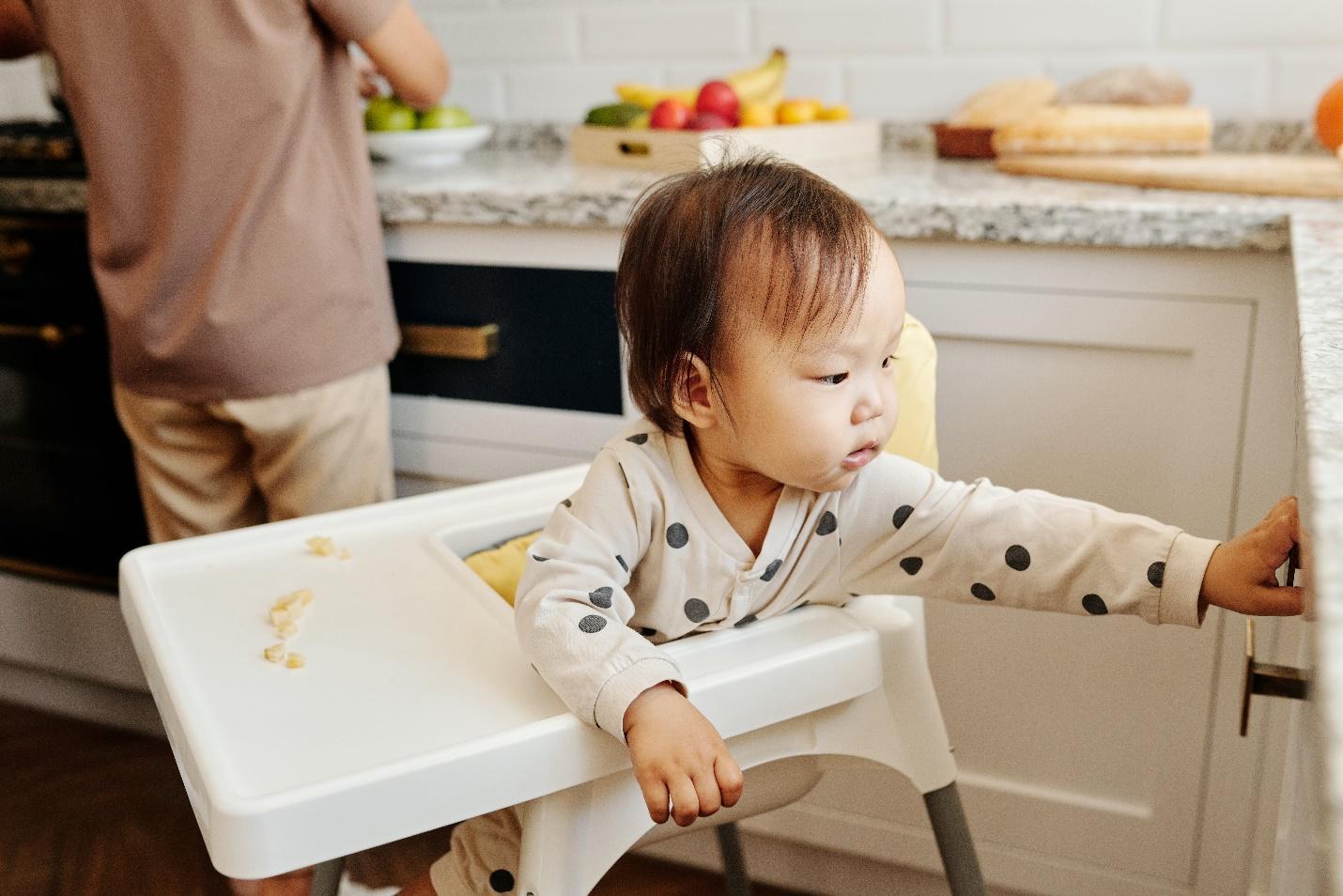
Install safety locks on cabinets and drawers. Keep cleaning supplies and sharp tools out of reach. Use stove knob covers and oven locks to prevent accidental burns.
Bathroom Precautions
Use non-slip mats in and out of the tub. Along with that, securely store medicines and personal care products. Never leave a child unattended during bath time.
General Home Safety
Keep small, hazardous items like batteries and magnets out of reach. Secondly, check cords from blinds or appliances are tucked away to prevent pulling. You can also use cord shorteners or wraps to avoid tangling and to prevent tripping. Thirdly, cover unused outlets with safety plugs or plates. Lastly, avoid placing heavy objects on high shelves where they can fall.
Small-Object Hazards
Regularly check floors and low surfaces for small objects like coins or buttons. Keep toys with small parts away from young children. Addressing these small details is important in childproofing. It’s the little things that often make the biggest difference in safety.
If you’re moving to a home with a garden or a balcony, child-proofing your new home outdoors is as important as securing the indoors. Here’s a detailed guide to guarantee safety while the kids enjoy fresh air and sunshine.
Securing Pools and Water Features:
- Install a fence with self-closing and self-latching gates around pools.
- Consider sturdy covers or barriers for ponds or fountains to prevent accidental falls.
- Teach children water safety rules and always supervise them near water, even if it’s shallow.
Yard and Garden Safety:
- Regularly inspect the yard for harmful objects like sharp sticks, stones, or tools.
- Remove or fence off poisonous plants and berries which children might be tempted to eat.
- Ensure garden chemicals, fertilizers, and pesticides are locked away.
Safe Play Equipment:
- Choose age-appropriate play structures—for instance, swings with safety harnesses for younger kids.
- Regularly check play equipment for loose bolts, sharp edges, or splinters.
- Install shock-absorbing surfaces like rubber mats, mulch, or fine sand under swings and slides to cushion falls.
Balcony and Deck Precautions:
- Ensure balcony or deck railings are no more than 4 inches apart to prevent kids from squeezing through.
- Avoid placing climbable furniture near railings.
- Lockable gates or doors can restrict access to balconies or decks when unsupervised.
General Outdoor Safety Tips:
- Keep garden hoses coiled and out of the path to prevent tripping.
- Use child-resistant locks on sheds, garages, and any outdoor storage spaces.
- Create a designated play area visible from the house so you can easily supervise.
Creating a Child-friendly Garden:
- Encourage a love for gardening by involving children in planting and maintaining safe, non-toxic plants.
- Set up a small sandbox or a safe water play table for supervised play.
- Consider a soft, grassy area for barefoot play, checking it’s free from pests and sharp objects.

Peace of Mind in Your New Home
Keeping your kids safe is an ongoing journey, not a one-time task. By implementing these childproofing tips for your new living space, you create a safe and nurturing environment for your family. Regular checks and updates to your safety measures are key as your child grows and explores more. Embrace this process with patience and care, knowing each step you take builds a secure foundation for your child’s adventures. Here’s to a safe, happy home where little feet can roam freely and safely!


